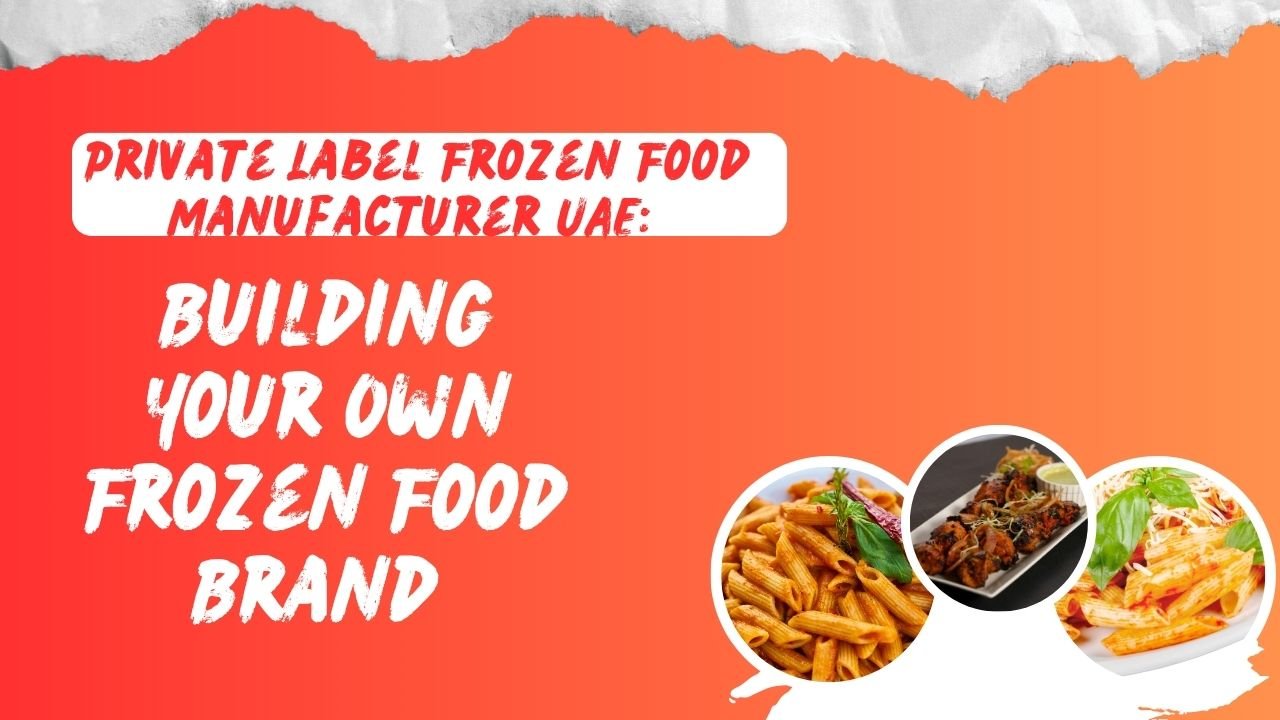
Building a frozen food brand is much more than putting a logo on a packet. You need the right product, packaging, ingredients, food safety processes, storage, and a clear idea of who you want to sell to. However, working with the right manufacturing partner can make the process a lot easier.
This is where private-label manufacturing can help. Rather than having to set up your own production facility, you can work with a manufacturer to produce food under your own brand name depending on the manufacturer’s capabilities as well as agreed requirements.
If you’re exploring a private label frozen food manufacturer UAE for your next food business, there are several things worth understanding before you get started.
What Is Private Label Frozen Food Manufacturing?
Private-label frozen food manufacturing is a model where a Private label frozen food manufacturer UAE produces frozen food that is sold under another company’s brand name. The brand owner may have specific requirements for the recipe, product format, pack size, packaging, or other product specifications.
The exact arrangement can vary from one manufacturer to another. Some may work with existing products, while others may support product development or custom recipes.
For a new food business, this can be useful because you don’t necessarily have to build and operate your own manufacturing facility from the beginning.
Why Are Private Label Frozen Foods Becoming Popular?
Frozen food offers businesses a practical way to sell convenient products with longer storage life when handled and stored correctly. It also allows brands to build a product range without producing everything themselves.
Private labeling can give businesses more control over how their products are presented to customers. The packaging, brand name, product positioning, and overall customer experience can be developed around the brand.
However, Private label frozen food manufacturer UAE does not mean skipping food safety or regulatory requirements. Food products sold in the UAE still need to meet the applicable requirements for registration, labeling, and food safety. The UAE government states that food products, including locally produced and imported products, must be registered through the applicable national food registration system before being handled in the UAE market.
How Does Private Label Frozen Food Manufacturing Work?
The process can differ depending on the manufacturer and product, but it generally starts with understanding what you want to sell. You need to work with a Private label frozen food manufacturer UAE:
1. Decide What You Want to Make
First, define your product category. It could be frozen snacks, ready-to-cook products, meals, gravies, sauces, or another frozen food category.
You should also think about your target customer, expected price range, serving size, and how the product will be used.
2. Discuss the Product Requirements
Once you know what you want to launch, you can discuss your requirements with a manufacturer.
This may include the recipe, ingredients, taste, texture, product size, packaging format, and quantity. If you’re developing something new, samples and product testing may also be part of the process.
3. Work on Packaging and Branding
Your packaging is an important part of a private-label food brand because it is what customers see first.
However, attractive packaging alone isn’t enough. Food labels in the UAE have specific requirements, and labels need to provide the required product information in the appropriate format. UAE food labeling requirements include information such as the product name, ingredients, country of origin, storage conditions, and other applicable details.
4. Complete the Required Approvals
Food products need to comply with the applicable UAE food regulations before being placed on the market. The exact requirements can depend on the product, ingredients, manufacturing location, and emirate.
Therefore, it is important to check the requirements that apply to your specific product rather than assuming that every frozen food item follows the same process.
5. Production and Packaging
After the product specifications and required approvals are in place, manufacturing and packaging can begin according to the agreed requirements.
For frozen food, proper temperature control and handling are especially important. The product needs to remain frozen under the conditions specified for it throughout storage and distribution.
What Should You Look for in a Private Label Manufacturer?
Choosing a Private label frozen food manufacturer UAE is a very important decision because the manufacturing partner can directly affect your product’s consistency and supply. Look at their experience with frozen foods, production capabilities, quality processes, packaging options, and ability to handle the quantity you need.
It is also useful to understand minimum order quantities, lead times, product development support, storage arrangements, and delivery options before entering into an agreement. A good conversation at the beginning can prevent a lot of confusion later.
Why Product Quality Matters for Your Brand
When customers buy a product with your brand name on it, they associate the experience with your business. That means inconsistent taste, texture, packaging, or availability can affect how customers view your brand. Private labeling gives you an opportunity to build your own identity, but maintaining consistent product quality is what helps support that identity over time.
This is particularly important for frozen food because products need to be handled correctly from production through storage and transportation, especially when working with a Private label frozen food manufacturer UAE.
Frozen Kiing: A UAE-Based Frozen Food Brand
Frozen Kiing has built its presence in the UAE frozen food market with a range that includes momos and dumplings, samosas, spring rolls, kebabs, gravies, and other frozen food products.
Our brand focuses on convenient frozen foods inspired by Indian comfort food and street-food flavors, and all our products are made with premium ingredients and follow a zero-preservative philosophy.
Private Label vs Building Your Own Manufacturing Facility
Starting your own manufacturing facility gives you direct control over production, equipment, staff, and processes. However, it also requires significant investment, infrastructure, food safety systems, storage, and operational management.
Private-label manufacturing offers another route. You work with an existing manufacturer instead of managing every part of production yourself.
Neither model is automatically right for every business. Your choice of a Private label frozen food manufacturer UAE depends on your budget, production volume, product requirements, level of control, and long-term plans.
Things to Check Before Starting a Private Label Frozen Food Brand
Before moving forward, make sure you have clarity on:
- Product specifications and ingredients
- Minimum order quantities
- Packaging and pack sizes
- Labeling requirements
- Product registration and approvals
- Shelf life and storage requirements
- Production timelines
- Quality control processes
- Cold-chain storage and transportation
- Pricing and payment terms
These details may seem small at the beginning, but they can have a big impact once your products reach the market.
Building a Frozen Food Brand Takes More Than Manufacturing
A manufacturer can help you produce your product, but building a successful brand involves much more.You still need to understand your customers, position your products properly, create packaging that represents your brand, develop distribution, and maintain consistent quality.
The UAE also has specific food safety and labeling requirements, so compliance needs to be considered from the early stages rather than treated as an afterthought. Though a Private label frozen food manufacturer UAE can simplify the manufacturing side, your brand still needs a clear identity and a product that customers actually want to buy again.
Conclusion
Starting your own frozen food brand in the UAE can be an exciting opportunity, but there is a lot more involved than choosing a product and adding a logo. Product development, manufacturing, packaging, registration, food safety, storage, and distribution all need to work together.
A Private label frozen food manufacturer UAE can help businesses use existing manufacturing capabilities to develop and sell products under their own brand. However, the right partnership depends on your product requirements, volumes, budget, and the level of support you need.
If you’re exploring opportunities in the frozen food market, understanding the manufacturing process first can help you make better decisions about your product, brand, and long-term business plans.
FAQs
Q1. What is private-label frozen food manufacturing?
It means a manufacturer produces frozen food that is sold under your own brand name. You can decide on product, packaging, and other requirements based on the manufacturer’s capabilities.
Q2. How do I choose a private-label frozen food manufacturer in the UAE?
Look at their product quality, manufacturing capabilities, packaging options, minimum order quantities, and food safety practices. It’s also important to discuss timelines and storage requirements upfront.
Q3. Can I create my own recipe for a private-label frozen food product?
This depends on the manufacturer and the type of product you want to develop. Some manufacturers may support custom recipes or product development, while others may offer existing products.
Q4. What should I consider before launching a private-label frozen food brand?
Think about your target customers, product, pricing, packaging, storage, approvals, and distribution. You should also understand the manufacturer’s minimum order quantities and production timelines.
Q5. Why is proper storage important for private-label frozen food?
Frozen food needs to be stored and transported under the required temperature conditions to maintain its quality. Proper cold-chain handling is important from production through delivery.
Also read more about: Frozen Food Manufacturer UAE: A Complete Guide to Frozen Food Production